
Bhishma's vow of lifelong celibacy and royal devotion: A philosophical analysis of devotion and selfless action

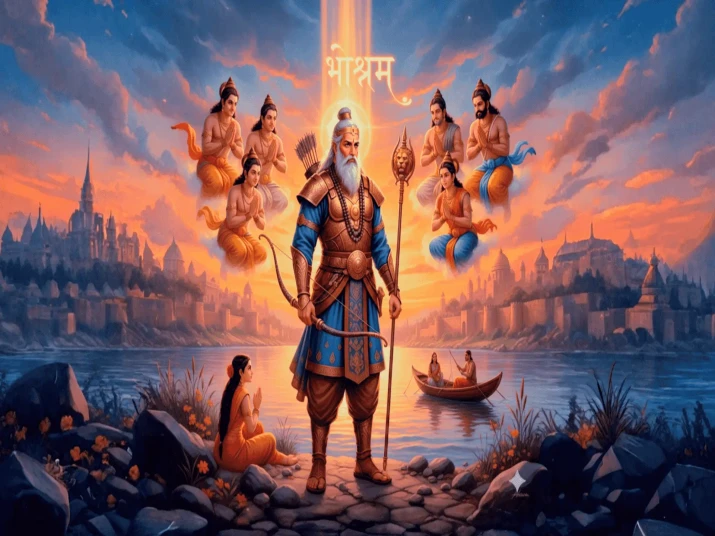
Table of Contents
What was Bhishma's real name and why did he receive the title Bhishma?
Bhishma is one of the greatest and bravest characters in the Mahabharata. He was known by his birth name as Devavrata. As the son of King Shantanu and Gangadevi, Devavrata showed extraordinary talent, intelligence, and bravery from birth. He was unparalleled in war tactics, knowledge of scriptures, and ethics. But the most important moment in his life came when he made such a sacrifice for his father's happiness, which has become a unique example in history.
King Shantanu once fell in love with Matsyagandha Satyavati. But Satyavati's father stipulated that his son would be the future king of Hastinapur. There was a natural obstacle to this, because Devavrata was the heir to the throne. Understanding his father's sorrow and hesitation, Devavrata himself came forward. He publicly declared that he would observe celibacy for life, never marry, and that Satyavati's children would inherit the throne of Hastinapur. As a result of this difficult promise, he distanced himself from the throne and renounced personal happiness.
This promise of Devavrata was so strict, so unwavering, that even the gods were amazed. From heaven, the gods gave him the name Bhishma in praise of this great sacrifice. The word Bhishma means fierce, profound, unwavering. That is, a person who takes such a strict and unwavering promise that it is impossible to break.
Thus, Devavrata earned the title of Bhishma for his unique promise, and he is forever remembered in the Mahabharata as a great sacrificer, moral, and ideal warrior.
In what ways did his unwavering loyalty to the kingdom of Hastinapur create moral conflicts?
Bhishma's unwavering loyalty to the kingdom of Hastinapur gave rise to many moral conflicts in his life. He was committed throughout his life to maintaining the utmost loyalty to the kingdom, no matter who ascended the throne. This commitment made him face difficult decisions in many areas.
1. Obligation to support an incompetent king:
Dhritarashtra's blindness and weak leadership repeatedly led to dangers for Hastinapur. Bhishma knew that there were flaws in the governance of Hastinapur, but his sense of duty prevented him from taking a direct stand for the truth. He could not go against the decision of the throne, even though it was against ideal principles.
2. Helplessness against the injustice of the Kauravas:
Bhishma was personally angered by the dishonest actions of Duryodhana and his brothers, especially the heinous incident of Draupadi's abduction. As a pious and moral warrior, he knew that it was unfair, but as the protector of the dynasty, he could not directly oppose it. Even while present in the royal court, he suffered from mental conflict as he could not fully protest against the injustice.
3. Fighting against the Pandavas in the Kurukshetra War:
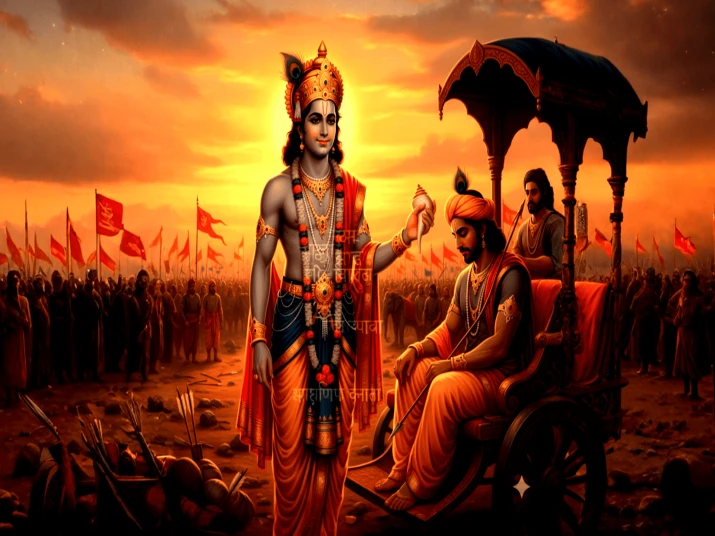
The Pandavas were his grandchildren and stood for justice. Bhishma knew that the Pandavas were right, yet as the protector of Hastinapur, he had to fight against them as the Kaurava commander. This decision created a deep conflict in his heart between the sense of justice on one hand and the pledged loyalty on the other.
4. Limitations in establishing justice due to his vows:
His vow of celibacy and loyalty to the kingdom prevented him from playing an active role in the cause of justice in many cases. Even if he wanted to, he could not prevent an unworthy person from sitting on the throne.
In all these cases, Bhishma's life went through a severe test of morality. He vacillated between personal principles and his pledged loyalty to the king. His character, therefore, remains a profound moral symbol in the Mahabharata.
Tags
For Add Review. You Need To Login First Login Page
Related News



-
LATEST
-
POPULAR

What is marriage according to Sanatan Dharma and why is marriage called a bond of birth and rebirth?

The Sydney attack is also the result of the same petro-dollar, Pakistan and Deep State radical narratives.


Comments
No comments yet